
Specialist Cleaning
After Rodent Infestation Cleaning in Liverpool & Merseyside
Cleaning and decontamination once rats, mice or pigeons have gone. We remove droppings, urine, nesting debris and contaminated contents, then treat the odour, so the property can be safely used again.
Cleaning Is Separate from Pest Control
Removing rodents and preventing them returning is pest control work. Cleaning up afterwards is a different job. We arrange the clean once a pest control company has dealt with any live activity, so our team is not working alongside active infestation. If you need a pest control contact, we can point you to local providers.
Rats and Mice: What They Leave Behind
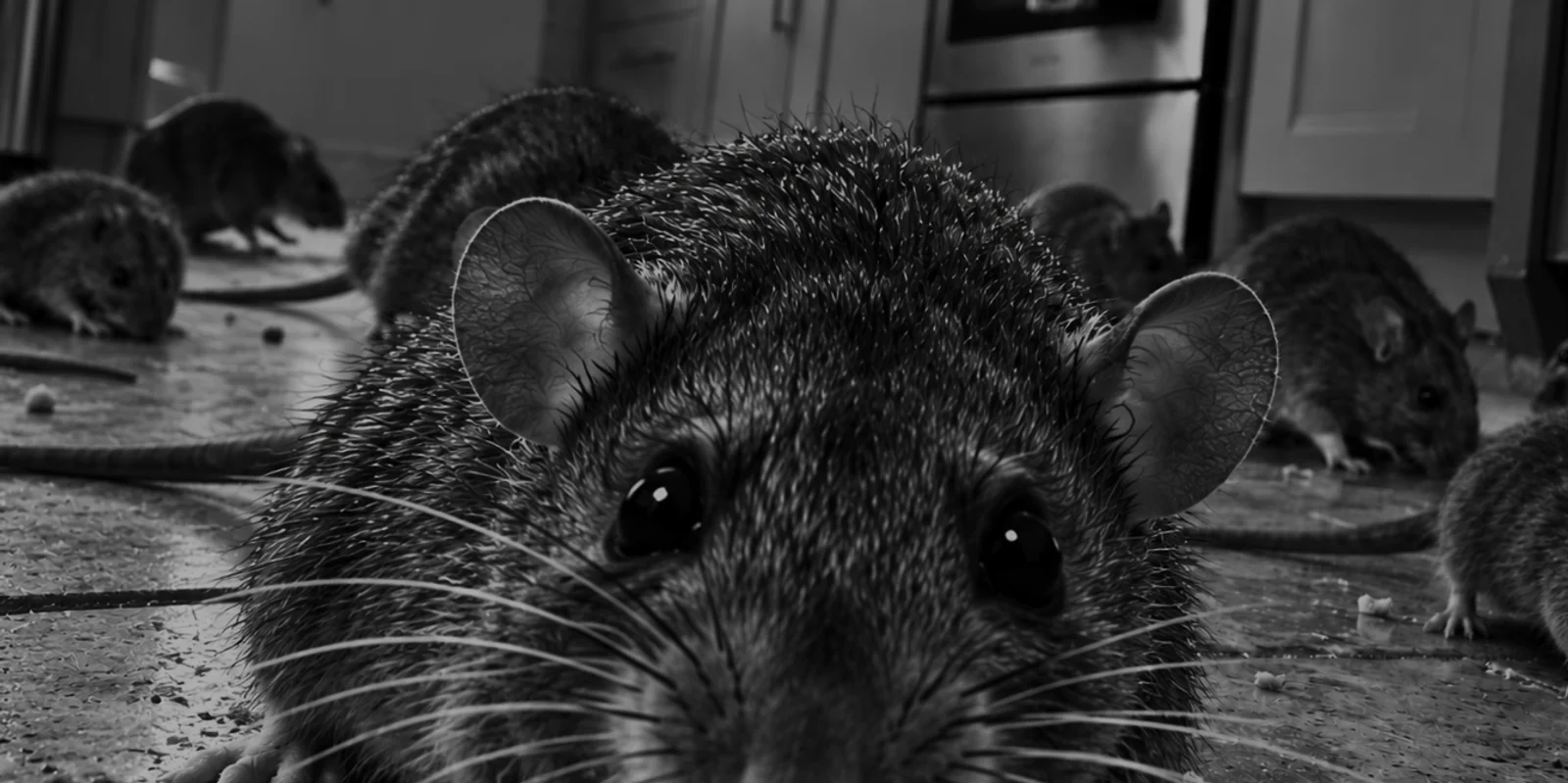
Rats and mice leave a trail of contamination wherever they travel. They urinate and leave droppings constantly as they move, so contamination is often spread far wider than the place where you first notice a problem. They also gnaw and shred paper, fabric, insulation and cardboard to build nests, usually in quiet places such as lofts, wall cavities, under floors, behind kitchen units and inside stored furniture. Food stores, worktops and bedding can be contaminated without any obvious sign. A strong, stale odour is common, and it can linger long after the rodents have gone.
Pigeons and Bird Droppings
Pigeons can cause similar problems. They roost and nest in lofts, roof voids, chimneys, outbuildings, balconies and ledges, and a build-up of droppings, feathers, nesting material and dead birds can collect over months or years. Droppings dry out and turn to dust, which is easily disturbed. Bird mites and fleas can also move indoors once birds have gone or been removed. Where pigeon contamination is part of a property we are asked to clear, we assess it as part of the survey.
Health Risks of Rodent and Pigeon Contamination
Contamination left by rodents and birds is more than unpleasant. It can be a risk to health, particularly for children, older people, pregnant women and anyone with asthma, a weakened immune system or other health conditions.
- Rats and mice: rat urine can carry Weil's disease (leptospirosis), and droppings and contaminated surfaces can carry salmonella and other bacteria that cause stomach illness. Hantavirus is rare in the UK but has been recorded in rodents here. Their fur, droppings and urine can also trigger allergies and asthma.
- Pigeons and other birds: dried droppings can carry bacteria such as salmonella and E. coli, and fungal spores that can cause lung infections when breathed in. Psittacosis, a respiratory illness, can also be passed on from infected birds.
- Dust and airborne particles: dry droppings, nesting debris and urine residue break down into fine dust. Sweeping or vacuuming them can put particles into the air, where they can be breathed in.
- Parasites: fleas, mites and ticks can be carried on rodents and birds, and can bite people and pets once the host has gone.
Because of these risks, we do not recommend cleaning up heavy contamination yourself with a brush or vacuum cleaner. If you have been exposed and feel unwell, particularly with flu-like symptoms, tell your GP or call NHS 111 and mention the exposure.
What the Clean Covers
- Droppings and urine on floors, skirting, cupboards and stored items
- Pigeon droppings, feathers and nesting debris in lofts, roof voids and outbuildings
- Nesting debris in lofts, under sinks, behind appliances and inside sofas and bedding
- Contaminated contents, which are assessed and removed where they cannot be cleaned safely
- Surfaces treated with an appropriate disinfectant and allowed to dry
- Odour treatment once the source has been removed
Working Safely
Rodent droppings and urine can release particles into the air when they are disturbed dry. Our operatives use respiratory protection and gloves, dampen materials before they are lifted, and bag waste on site. Where a property is badly affected, we may recommend that the rooms are ventilated before cleaning starts.
Limits of the Work
Cleaning reduces contamination and odour, but it cannot repair gnawed wiring, pipework or structural damage. Those repairs need a qualified tradesperson. Where rodent entry points are still open, the infestation may return, so we recommend that pest control is completed first. We will tell you clearly what we can and cannot deal with before work begins.
Waste is handled under our waste carrier registration, CBDU610261. Contaminated material is removed and disposed of in line with current regulations, with transfer documentation available on request.
Get a Quote
Call 0151 733 3355 or request a survey online. We assess the property before quoting, so you know the scope before anything starts. Read our guide to rodent contamination.